Optimization
Faster production, less loss
Measure OEE to ISO 22400, trace losses to their root cause, and sequence work with a model that is 99.97% accurate on more than 4 million rows of real production data.
Smart factory systems & AI engineer
For more than 25 years I have worked with production data in a semiconductor plant, from my first job-logging program in Visual Studio 2005 to AI-driven production scheduling today. At home I apply the same thinking to a hydroponic plot.

I did not start as a programmer. I started as a factory technician, running machines, repairing them, and working in QC and production control, and then taught myself to program to fix the problems I met every day. That is why the systems I build are designed from the shop-floor point of view.
End to end, on my own: Find the root cause → Design the architecture → Build and test → Deploy on Linux and Docker → Run and improve. I carry the work alone from first symptom to running system, with no hand-offs between teams, so I see the whole picture and fix problems at the source.
Faster production, less loss
Measure OEE to ISO 22400, trace losses to their root cause, and sequence work with a model that is 99.97% accurate on more than 4 million rows of real production data.
Make existing systems talk
Connect MES, warehouse, maintenance and management reporting through APIs and ETL so every team sees the same data, without tearing out what already works.
Build on the data you already have
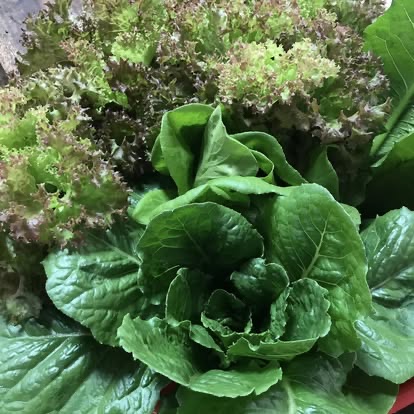
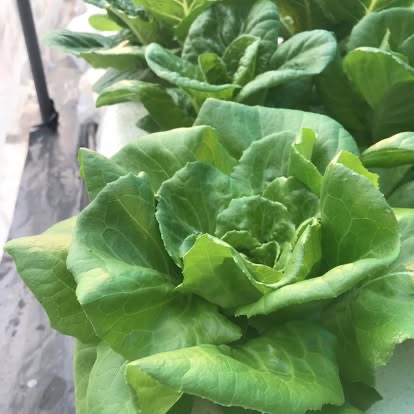
Put AI into the work people already do: the production planner, an assistant that answers questions from the production database, and image analysis of crop leaves, running on the organisation’s own machines so data stays inside.
Manufacturing Intelligence & Operations System for semiconductor assembly. Every step is one loop: plan, run, measure, find the losses, find the cause, fix it, verify, and feed the lesson into the next plan.
The scheduler does not just ask which lot goes next. It decides lot, route, machine, sequence and time together, weighing queues, changeovers and the effect on downstream steps, because the fastest machine is not always the best route.
ASP.NET Core 9, PostgreSQL, React, Python ML and an AI assistant using structured query tools
My master’s research built a work-order model from two years of real production data. Random Forest reached 99.97% accuracy, ahead of Hist Gradient Boosting and Logistic Regression, and went on to become a scheduler API and an Android app that works offline.
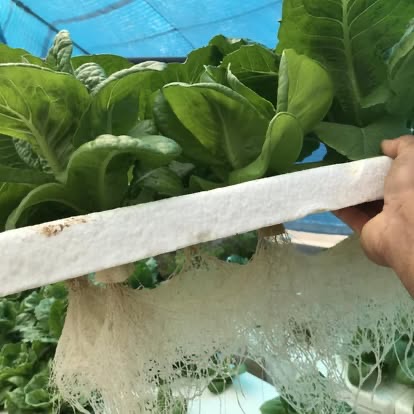
Our own system, used every day. Boards in the plot report every 10 seconds; the web and mobile apps show live values with the weather forecast; an edge computer at home keeps every raw reading and checks leaves with AI. If the internet goes down, the farm keeps running.
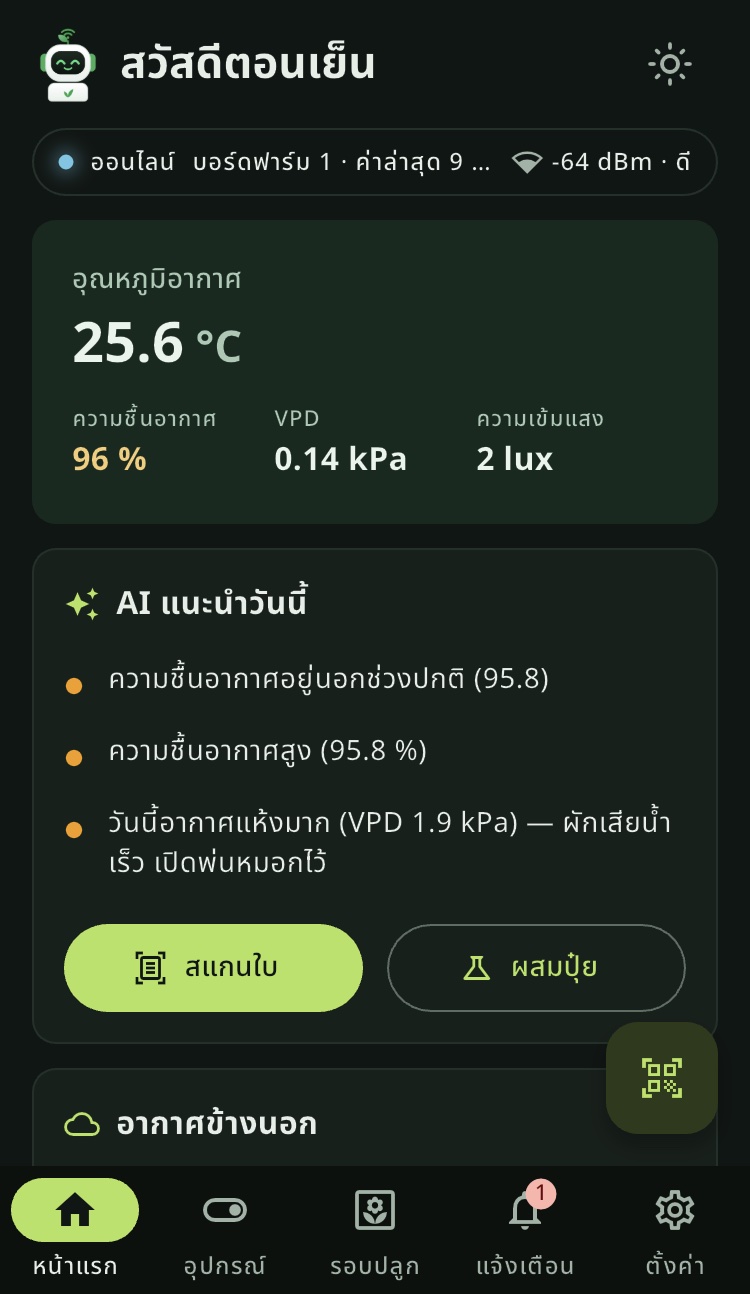 Live values, AI advice
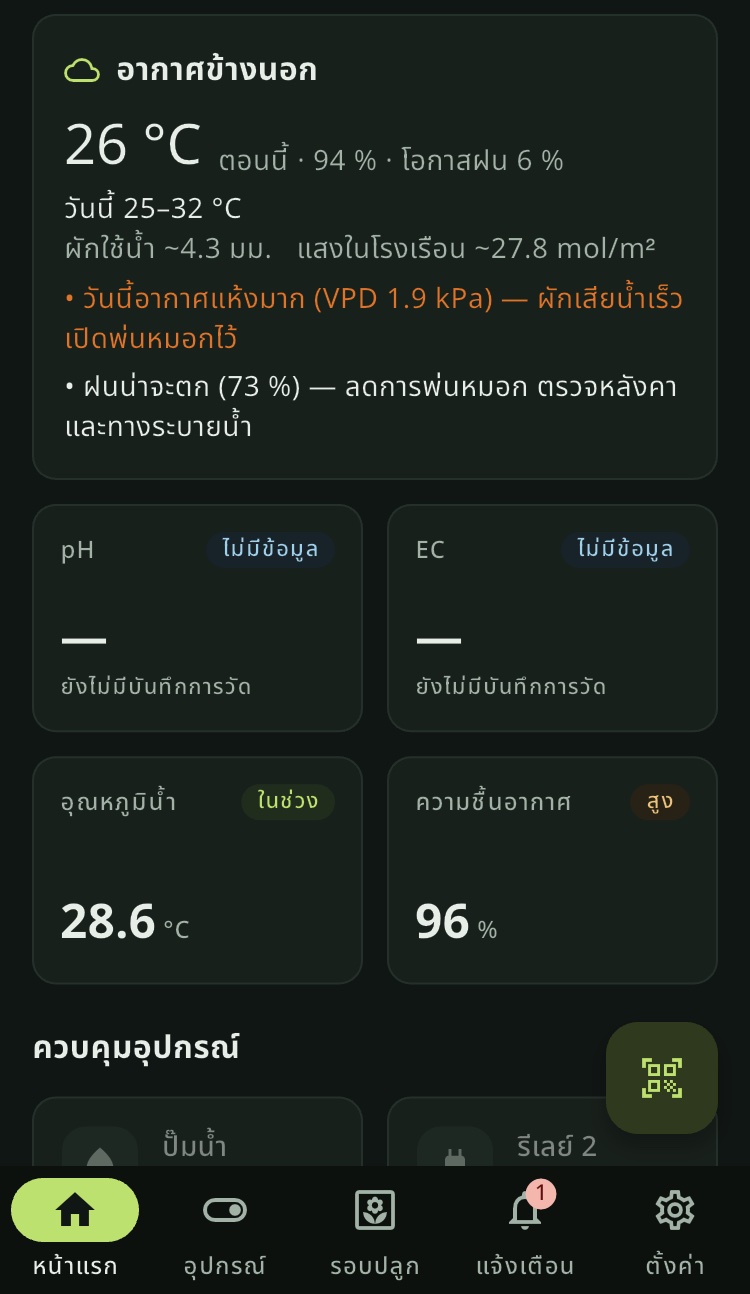 Weather and water
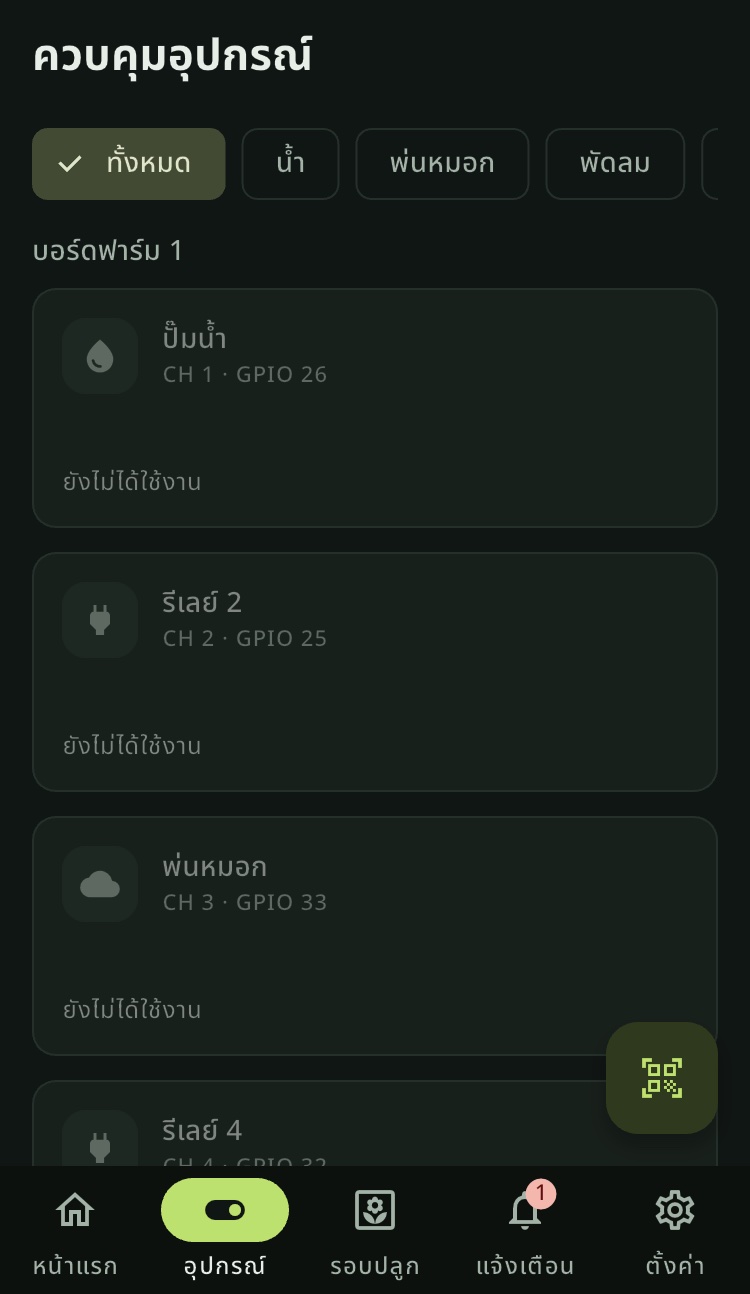 Device control
ESP32, MQTT over TLS, ASP.NET Core, React, Flutter, TimescaleDB, Grafana and over-the-air board updates from the web
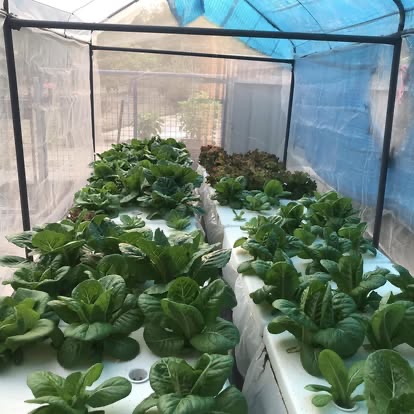
 Home
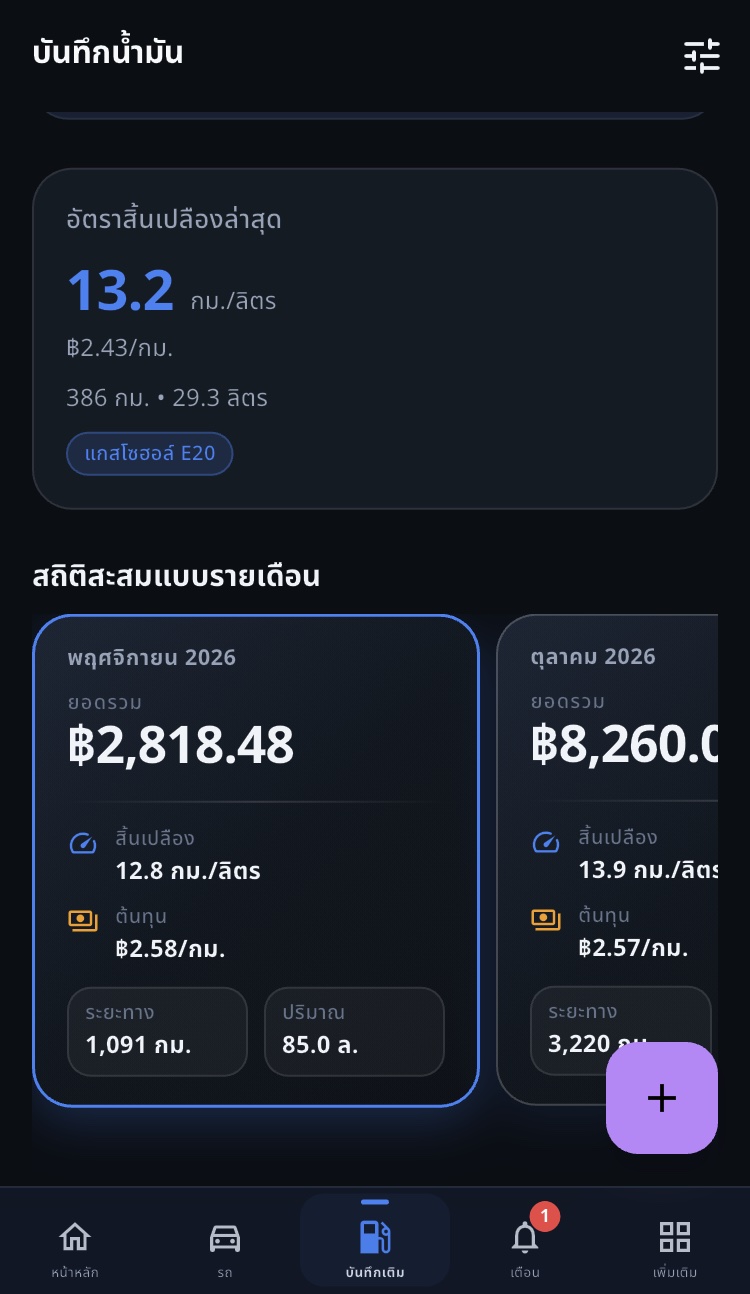 Fuel statistics
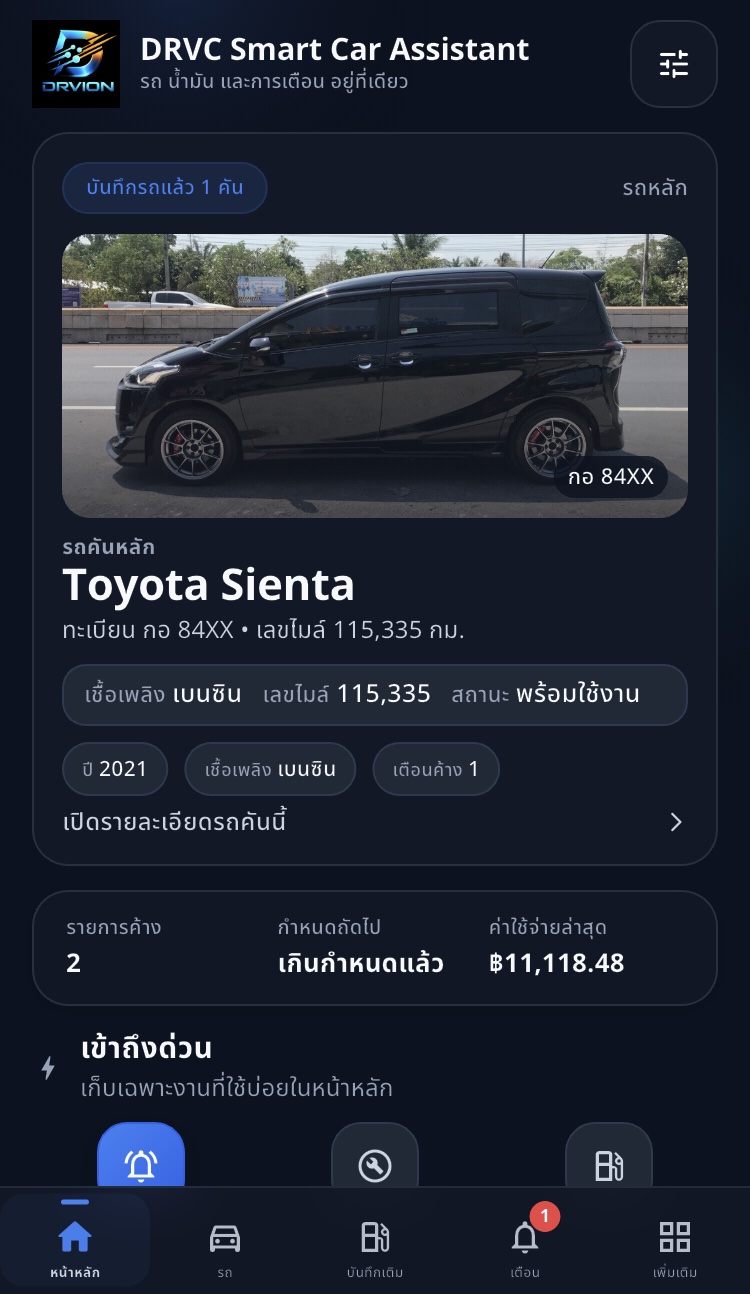
DRVION is the name for my AI and digital transformation work outside the factory: one platform for managing connected vehicles and assets, from daily operations and rental to IoT. The Baan Rak Phak farm is one of DRVION’s AI applications.
The rental system was rebuilt from Django to ASP.NET Core 9, React and a mobile app
The principles behind every system above, gathered into one standard: code structure, security, architecture documents and how to work with coding assistants. New projects start fast and reach the same quality bar.
Production MES on web and mobile, production planning and sequencing, machine trouble requests, lot and WIP tracking
Warehouse and materials warehouse management, spare-part issuing, mobile label printing, stock counts and scrap
Quality and improvement kaizen suggestion system, defect and cause analysis, production KPIs
Company data Power BI reporting, single sign-on, employee welfare systems
I use AI both to write code and as a thinking partner when planning systems, so work that once took months now ships in weeks. Speed does not replace discipline: every piece of work follows the same jk framework rules. I make the decisions and own the result; AI is the tool that lets me do more.
Published
Home hydroponics guide: the numbers to check every daypH, EC and temperature ranges for lettuce, a five-minute daily routine, and common beginner mistakes, from real growing.
Published
Guide: retire paper forms for a mobile app in five stepsA small-business method, from picking the first form and watching real use to running beside paper and retiring it, with a checklist.
Published
Technology is only one of six dimensionsSix dimensions of reshaping management for digital transformation, with real examples from a factory moving off paper and a small farm.
Published
Strategy first, technology secondA six-step framework for digital strategy, with two real system examples: a smart farm, and a factory moving from paper forms to mobile-app recording.
Studied while working full time and finished within 2 years (September 2023 to October 2025), with research accepted by a national TCI Tier 1 journal. What I learned went straight into moving the factory from paper to digital.
Software Development Team Lead
ROHM Integrated Systems (Thailand), 2000–present
Design and build the plant’s systems across web, mobile, databases and AI. Lead the development team; system analysis, databases, ETL, business intelligence and DevOps.
Automotive department teacher
Lopburi Technical College, 1995–1997
At home in Saraburi there is a small hydroponic plot we call Baan Rak Phak. It started because we wanted salad we had grown ourselves. The children like checking how much the plants have grown, and I get a real place to test automation every day. After work, looking at something green is good for the eyes and the mind.
The data from this plot is the same data used to test the systems in Selected work.



Open to full-time roles, projects, consulting on factory systems and AI, and training in C#.NET, Python, Flutter, AI-assisted development and AI for factories.